
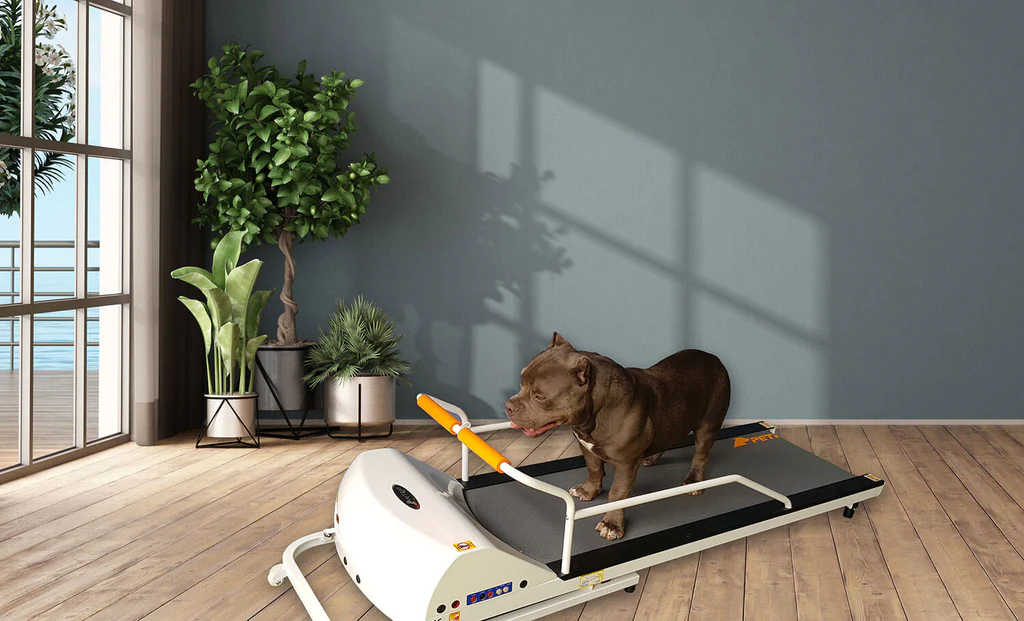
Large dogs require substantial daily exercise to maintain physical health, mental well-being, and appropriate behavior. Yet busy schedules, inclement weather, mobility limitations, and safety concerns can make it challenging to provide your big canine companion with adequate activity. Dog treadmills designed specifically for large breeds offer a practical solution, allowing your dog to burn energy, maintain fitness, and stay engaged regardless of external circumstances. Understanding how to select, introduce, and use a dog treadmill safely can transform it from a luxury item into an invaluable tool for responsible large dog ownership.
Why Large Dogs Need Specialized Treadmills
The distinction between small dog treadmills and those designed for large breeds extends far beyond simple size differences. Large dogs—typically those weighing 50 pounds or more—generate substantially more force with each stride, require longer running surfaces to accommodate their gait, and need more robust motors to handle their weight and power.
A treadmill rated for small to medium dogs will struggle under a 70-pound Labrador, potentially leading to motor burnout, belt slippage, or structural failure. More critically, an inadequate running surface forces large dogs to shorten their stride unnaturally, promoting poor movement patterns and potentially contributing to joint problems over time. Investing in a properly sized treadmill ensures safety, longevity of the equipment, and effective exercise for your dog.
Key Features to Look For
When shopping for a treadmill for your large dog, certain specifications matter more than others. The running surface should measure at minimum 60 inches long and 20 inches wide, though 65 to 70 inches long and 22 to 24 inches wide proves ideal for very large breeds like German Shepherds, Golden Retrievers, or Rottweilers. This length allows dogs to achieve their natural gait without feeling cramped or having to adjust their stride.
Motor power represents another critical consideration. Look for treadmills with motors rated at 2.5 continuous horsepower or higher. Large dogs running at moderate speeds demand substantial power, and an underpowered motor will overheat, wear prematurely, or fail to maintain consistent belt speed under load. Some manufacturers specify weight limits—ensure the treadmill can comfortably handle at least 25 to 50 pounds more than your dog’s current weight to provide a safety margin.
Side rails are essential safety features that prevent dogs from stepping or falling off the sides during exercise. Look for rails that extend the full length of the running surface and stand at least 6 to 8 inches high. Some models feature adjustable rail heights to accommodate different dog sizes within the large breed category.
Speed range matters less than you might assume. Most large dogs exercise effectively between 1.0 and 8.0 miles per hour, with walking occurring around 2.0 to 3.5 miles per hour and jogging ranging from 4.0 to 6.0 miles per hour. A treadmill offering 0.5 to 10 miles per hour covers essentially all needs for canine exercise.
Incline capability adds versatility to workouts, allowing you to increase intensity without increasing speed—particularly beneficial for dogs recovering from injuries or those needing low-impact conditioning. Manual incline adjustment works fine, though power incline proves more convenient for making mid-workout changes.
Popular Models and Price Considerations
Dog treadmills for large breeds typically range from $600 to $2,500, with professional-grade models occasionally exceeding $3,000. While this represents a significant investment, consider it against the cumulative cost of professional dog walking services, doggy daycare, or potential veterinary bills related to obesity and lack of exercise.
The GoPet Treadmill PR725 represents a popular mid-range option specifically designed for large breeds, featuring a 62-inch running surface, side rails, and a 2.5 horsepower motor. The Jog A Dog Treadmill offers similar specifications with a slightly longer deck at 66 inches. For those wanting premium features, the dogPACER LF 3.1 provides a 71-inch running surface and a robust 4.0 horsepower motor suitable for very large breeds or multiple dog households.
Some owners consider human treadmills as alternatives, particularly folding models or used machines available at lower costs. While this approach can work, be aware that human treadmills lack side rails and typically feature higher belt heights that some dogs find intimidating or difficult to mount. If pursuing this route, add DIY side rails and ensure the motor and running surface meet the specifications mentioned earlier.
Introducing Your Dog to the Treadmill
Successful treadmill use depends entirely on proper introduction and training. Never force your dog onto a running treadmill or expect them to immediately understand this strange moving surface. The introduction process typically spans several days to weeks depending on your dog’s temperament and prior experiences.
Begin with the treadmill completely off, allowing your dog to investigate it freely. Place treats on the stationary belt, encouraging your dog to step on and off. Reward any interaction with the treadmill, building positive associations. Once your dog comfortably stands on the belt, turn the treadmill on at its absolute lowest speed while your dog is standing on it, using treats and enthusiastic encouragement to keep them moving forward.
Keep these initial sessions extremely brief—perhaps 30 seconds to one minute—and end on a positive note before your dog becomes anxious or frustrated. Gradually increase duration before increasing speed, ensuring your dog remains relaxed and confident. Most dogs require a week or two of short daily sessions before comfortably trotting on the treadmill for meaningful exercise periods.
Never leave your dog unattended on a treadmill, particularly during the training phase. Always use a leash attached to the front of the treadmill rather than holding it, preventing you from accidentally pulling your dog backward if they stumble. Remove collar tags that might catch on equipment, and consider using a harness instead of a collar for better control and safety.
Effective Workout Protocols
Once your dog accepts the treadmill confidently, you can develop regular workout routines. For general fitness and weight management, 20 to 30 minutes of walking or light jogging five to six times weekly proves effective for most large breeds. High-energy working breeds might benefit from 30 to 45 minute sessions or two shorter sessions daily.
Vary the intensity and duration based on your dog’s age, fitness level, and health status. Young, healthy dogs can handle more vigorous exercise, while senior dogs or those with joint issues benefit from longer, slower walks. Consult your veterinarian before beginning any exercise program, particularly if your dog has pre-existing health conditions or is significantly overweight.
Incline walking offers an excellent low-impact workout that builds muscle and cardiovascular fitness without the joint stress of faster running. Even a modest 5 to 8 percent incline significantly increases workout intensity, allowing your dog to tire more quickly at slower speeds.
Supplementing, Not Replacing, Outdoor Activity
While dog treadmills provide valuable exercise opportunities, they should supplement rather than completely replace outdoor activities. Dogs benefit from environmental enrichment, socialization opportunities, and mental stimulation that outdoor walks and play provide. Treadmills excel at ensuring consistent exercise during bad weather, filling gaps on busy days, or providing controlled conditioning for athletic or working dogs.
The treadmill proves particularly valuable for high-energy breeds living in apartments, dogs recovering from injuries requiring controlled exercise, working dogs needing consistent conditioning regardless of handler schedules, and older owners with mobility limitations affecting their ability to provide adequate walking.
Maintenance and Longevity
Proper maintenance extends your treadmill’s lifespan significantly. Regularly clean the belt and deck of accumulated dog hair, dirt, and debris. Lubricate the belt according to manufacturer recommendations, typically every three to six months depending on usage frequency. Periodically check belt tension and tracking, making adjustments as needed to prevent premature wear.
Dog treadmills endure more challenging conditions than human treadmills—more dirt, potential moisture from drool or wet paws, and higher impact forces relative to the user’s weight. This means more frequent maintenance proves necessary for reliable operation.
Final Considerations
A quality dog treadmill for large breeds represents a significant but worthwhile investment for committed owners seeking to provide optimal care for their canine companions. By understanding key features, introducing the equipment properly, and using it as part of a comprehensive exercise and enrichment program, you can help your large dog maintain ideal fitness, healthy weight, and the physical and mental stimulation necessary for a high quality of life.
