
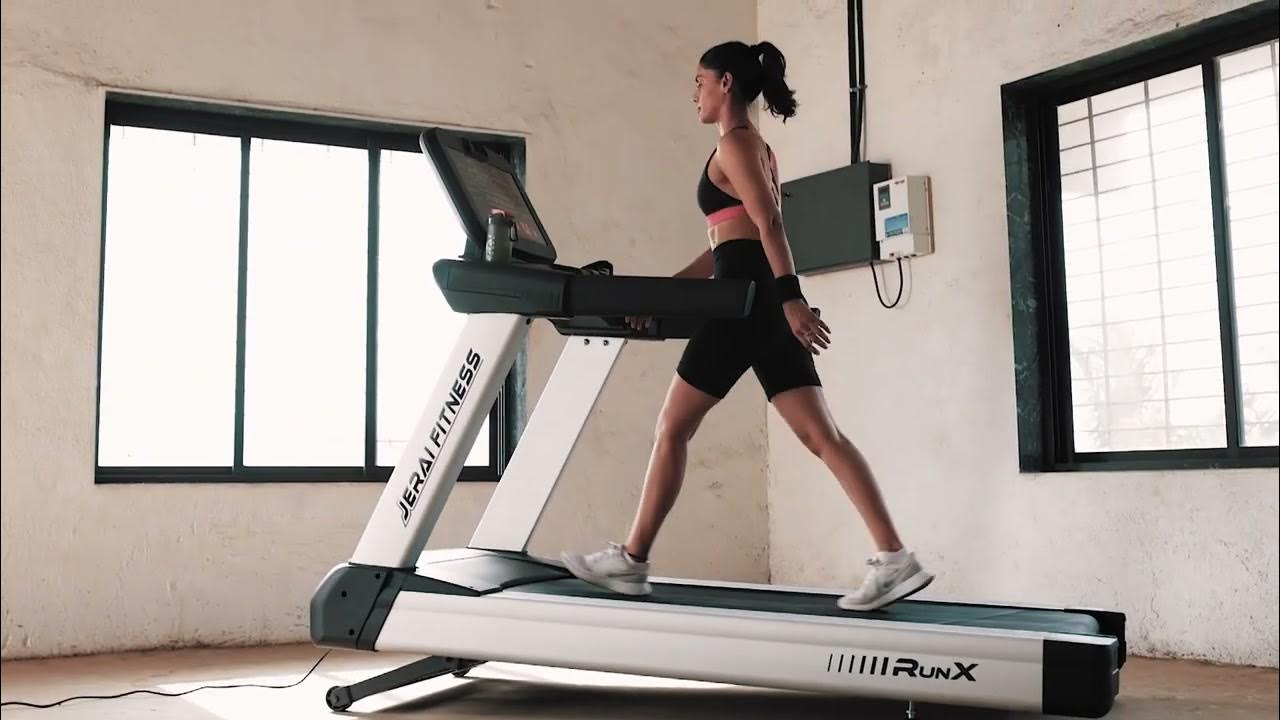
The traditional approach to treadmill training typically involves straightforward walking, jogging, or running. While effective for cardiovascular conditioning, this singular focus leaves significant fitness potential untapped. Enter the calisthenics treadmill workout—an innovative training methodology that transforms your treadmill from a simple cardio machine into a comprehensive fitness station. By strategically combining bodyweight exercises with treadmill intervals, you create metabolically demanding workouts that build strength, endurance, power, and mobility simultaneously while keeping sessions engaging and time-efficient.
Understanding the Calisthenics-Cardio Synergy
Calisthenics exercises—pushups, squats, lunges, planks, burpees, and countless variations—build functional strength using your body weight as resistance. Treadmill work develops cardiovascular endurance and burns significant calories. Separately, each training modality offers substantial benefits. Combined strategically, they create a synergistic effect that exceeds the sum of their parts.
This hybrid approach addresses a common problem with traditional workout splits where people separate strength training and cardio into distinct sessions. By integrating both within a single workout, you maintain an elevated heart rate throughout the entire session, maximizing calorie burn and creating powerful metabolic adaptations. Your cardiovascular system remains challenged during strength intervals, while your muscles continue working during cardio segments, resulting in superior conditioning and time efficiency.
The constant switching between movement patterns also prevents the mental fatigue and physical adaptation that occurs when performing the same activity for extended periods. Your mind stays engaged, your body encounters varied stimuli, and workouts remain challenging as your fitness improves.
Basic Calisthenics Treadmill Circuit Structure
The fundamental structure of a calisthenics treadmill workout alternates between treadmill intervals and bodyweight exercise stations. A basic template might involve two to three minutes of treadmill work followed immediately by 45 to 60 seconds of a calisthenics exercise, repeated through multiple rounds with different exercises.
Here’s a sample beginner-friendly circuit: Start with a three-minute warm-up walk at 3.5 miles per hour, then increase to a light jog at 5.5 to 6.5 miles per hour for two minutes. Step off the treadmill and immediately perform 15 bodyweight squats, focusing on proper depth and control. Return to the treadmill for another two-minute jog, then step off for 10 to 12 pushups. Continue this pattern through additional rounds incorporating lunges, mountain climbers, planks, and other bodyweight movements.
Complete four to six full circuits depending on your fitness level and available time, finishing with a five-minute cool-down walk. This basic structure provides a framework you can modify infinitely by adjusting treadmill speed, incline, interval duration, exercise selection, and repetition schemes.
Advanced Interval Protocols
As your conditioning improves, you can intensify workouts by manipulating multiple variables. High-intensity sprint intervals create dramatically different demands than steady jogging. Try 30-second all-out sprints at 9.0 to 11.0 miles per hour followed immediately by challenging calisthenic movements like burpees, jump squats, or explosive pushups. The combination of maximal sprinting and demanding bodyweight exercises creates an intense metabolic disturbance that elevates calorie burn for hours after completing your workout.
Incline walking intervals offer another advanced variation. Set your treadmill to a 12 to 15 percent incline and walk at 3.5 to 4.5 miles per hour for three minutes, then step off for upper body-focused calisthenics like pushup variations, tricep dips using a bench or step, or inverted rows if you have access to a suspension trainer or bar near your treadmill. The incline walking heavily taxes your lower body and cardiovascular system, while the upper body exercises allow your legs partial recovery before the next incline segment.
Descending ladder protocols provide both physical and mental challenges. Start your first treadmill interval at five minutes, followed by a calisthenics exercise for 50 seconds. Next round, reduce the treadmill interval to four minutes with 40 seconds of bodyweight work. Continue decreasing by one minute and ten seconds each round until reaching one minute on the treadmill and ten seconds of calisthenics, then reverse the ladder back up. This pyramid structure keeps you mentally engaged while systematically fatiguing different energy systems.
Exercise Selection and Progression
Strategic exercise selection maximizes the effectiveness of your calisthenics treadmill workouts. Choose movements that complement rather than compete with the demands of your treadmill intervals. After lower body-intensive incline walking or hill sprints, focus on upper body and core exercises like pushup variations, planks, or mountain climbers. Following easier treadmill segments, you can incorporate more lower body-dominant movements like squats, lunges, or jump variations.
Include exercises that challenge different movement patterns throughout your workout. Combine pushing movements like pushups with pulling movements like inverted rows or resistance band rows if equipment is available. Mix bilateral exercises like squats with unilateral movements like single-leg Romanian deadlifts or Bulgarian split squats. Include rotational core work like Russian twists alongside anti-rotation exercises like plank variations.
Progress your workouts by gradually increasing difficulty across multiple dimensions. Add repetitions to bodyweight exercises, increase treadmill speed or incline, reduce rest periods between intervals, incorporate more challenging exercise variations, or add additional circuits to your workout. Avoid the temptation to increase everything simultaneously—focus on progressing one or two variables at a time while maintaining other elements constant.
Sample Workout Programs
Here’s an intermediate fat-loss focused workout: After a five-minute warm-up walk, complete five rounds of this circuit—two minutes of jogging at 6.5 to 7.0 miles per hour, then immediately perform 15 jump squats. Return to the treadmill for two minutes, then complete 12 to 15 pushups with feet elevated on a step or bench. Back to the treadmill for two minutes, followed by 20 alternating reverse lunges. One more two-minute treadmill interval, then finish with a 45-second plank hold. After completing all five rounds, cool down with a five-minute easy walk.
For a strength and conditioning emphasis, try this protocol: Complete three rounds of longer intervals with more demanding exercises. Begin with three minutes of incline walking at 10 to 12 percent grade and 4.0 miles per hour, then perform 20 bodyweight squats focusing on depth and control. Back to incline walking for three minutes, followed by 10 to 12 quality pushups with a three-second lowering phase. Another three-minute incline walk, then 12 walking lunges per leg. Final incline segment, concluding with 30 mountain climbers. Rest two minutes between complete rounds, then repeat the entire circuit two more times.
Safety Considerations and Proper Form
Transitioning rapidly between treadmill running and floor exercises introduces specific safety considerations. Always use the treadmill’s safety clip, particularly during high-intensity intervals where fatigue might affect coordination. When stepping off the treadmill, straddle the belt with feet on the side rails before dismounting rather than trying to step off a moving belt directly.
Maintain proper exercise form even as fatigue accumulates. Poor form during calisthenics exercises when tired increases injury risk and reduces training effectiveness. If you cannot complete an exercise with good technique, reduce the repetitions or modify to an easier variation rather than grinding through sloppy repetitions.
Stay hydrated throughout these demanding workouts, keeping water immediately accessible. The continuous nature of calisthenics treadmill circuits means you might not notice dehydration developing until performance suffers significantly.
Equipment and Space Setup
Optimize your training area for seamless transitions between treadmill and floor work. Position a yoga mat or exercise mat immediately beside or behind your treadmill so you can quickly move to the floor for exercises. Keep any additional equipment like resistance bands, a step platform, or suspension trainer within arm’s reach to minimize transition time and maintain workout intensity.
If training in a gym, choose a treadmill location that provides adequate floor space for your bodyweight exercises without obstructing other members or high-traffic areas. Some gyms have designated functional training zones near cardio equipment that work perfectly for this training style.
Programming for Long-Term Results
Incorporate calisthenics treadmill workouts two to four times weekly depending on your overall training volume and recovery capacity. These sessions work exceptionally well on days when time is limited but you want comprehensive training stimulus. Alternate between different interval structures and exercise selections to prevent adaptation and maintain engagement. Track your workouts to monitor progress in both treadmill performance and calisthenics exercise capacity, celebrating improvements in both domains as evidence of enhanced total fitness.
